
Are Friesian horses good for beginners ? A complete owners guide.
What Is a Friesian Horse?
The Friesian is one of the oldest horse breeds in Europe, originating from Friesland in the Netherlands. For centuries, these horses carried medieval knights into battle, pulled elegant carriages for European nobility, and competed as trotting horses across the continent.
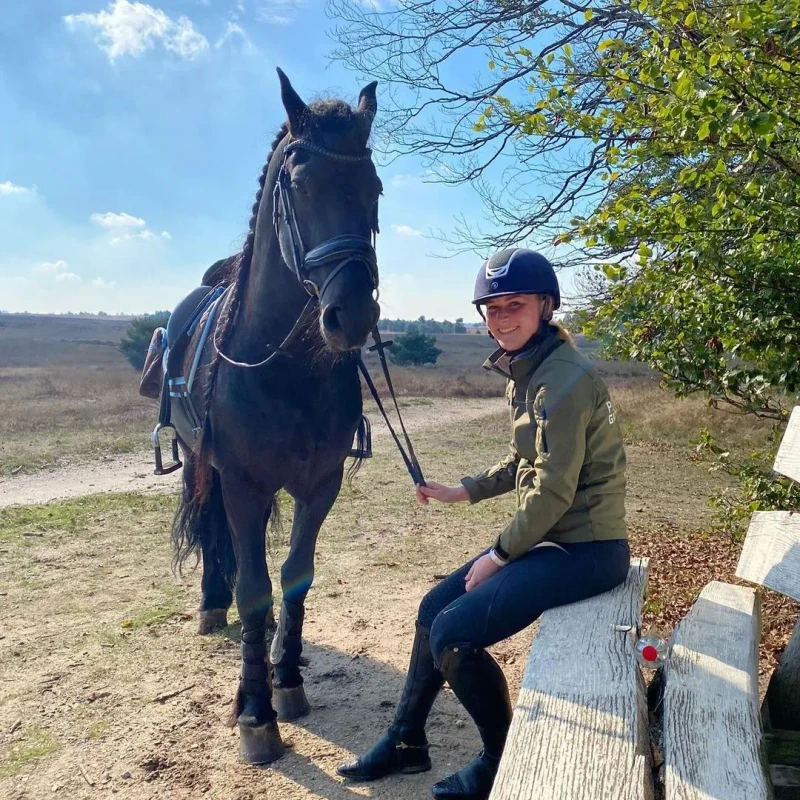
Today, Friesians are prized for dressage, driving, trail riding, and recreational riding. They're also one of the most recognizable horse breeds in the world, almost always jet black, with a thick mane and tail, feathered lower legs, and an arched neck that gives them an almost regal appearance.
In North America, the breed is governed by the Friesian Horse Association of North America (FHANA) fhana.com, which upholds the strict breed standards set by the original Dutch registry (KFPS). That means purebred Friesians must be born from registered parents, inspected for conformation, and meet specific height standards.
They typically stand 15.2 to 16 hands tall and weigh around 1,300 pounds, so yes, they're a substantial horse.
Friesian Horse Temperament:
Are They Beginner-Friendly? This is the most important question, and the honest answer is: Friesians have one of the more forgiving temperaments of any large horse breed, but that doesn't automatically make any Friesian safe for any beginner.
Here's what makes Friesians stand out personality-wise: Willing and eager to please. Friesians genuinely want to work with their rider. They're not the type to look for an excuse to act out. Intelligent and quick learners. They pick up new skills fast, which is great for training, but also means a bored Friesian can develop bad habits if they're not kept mentally engaged. Calm without being dull. Unlike some hot-blooded breeds that are constantly on edge, Friesians tend to be steady and sensible. They're not typically spooky horses. People-oriented. Many Friesian owners describe their horses as almost dog-like in how much they enjoy human interaction. That said, individual horses vary. A well-trained, mature Friesian can be a wonderful first horse. A young, green, or under-trained Friesian, regardless of breed, is a different story. Always evaluate the individual horse, not just the breed.
The Pros of Owning a Friesian as a Beginner
Their Calm Nature Builds Confidence For new riders, an unpredictable or high-strung horse can be genuinely dangerous and discouraging. Friesians' steady temperament gives beginners room to learn without constant anxiety about what the horse might do next.
They're Versatile Whether you're dreaming of trail rides through the woods, light dressage work, or even driving a carriage, a Friesian can do it all. You won't outgrow the breed as your skills develop.
They're Stunning, and That Matters This might sound shallow, but motivation matters in horsemanship. If you absolutely love your horse and feel proud every time you ride, you'll put in the time and effort it takes to build a real partnership. Friesians inspire that kind of devotion.
Strong Bond Potential Friesians are known for forming deep bonds with their owners. For a beginner who's truly committed to the journey, that relationship can be incredibly rewarding and educational.
The Cons of Owning a Friesian as a Beginner
They're Expensive Friesians are one of the pricier breeds on the market. A registered Friesian from a reputable breeder can cost anywhere from $10,000 to $50,000 or more, depending on age, training, and bloodlines. Even a well-priced Friesian will come with significant ongoing costs for feed, farrier, vet care, and grooming.
They Require More Grooming Than Average All that gorgeous hair? It needs work. The thick mane, long tail, and feathered legs require regular attention to stay healthy. Wet, dirty feathering can lead to a skin condition called pastern dermatitis (mud fever), which is uncomfortable for the horse and costly to treat. If you're not prepared to commit to a solid grooming routine, a Friesian might not be the right match.
They Have Breed-Specific Health Risks Because purebred Friesians descend from a small founding population, they're prone to several inherited health issues, including:
Dwarfism (a genetic condition identifiable through DNA testing) Megaesophagus (a swallowing disorder linked to connective tissue abnormalities) Aortic rupture (a serious cardiovascular condition, watch for signs like increased resting heart rate, recurrent colic, or swelling, and contact your vet immediately) Insect bite hypersensitivity (sweet itch), affecting roughly 18% of the breed Metabolic issues, including a higher risk of obesity and laminitis if diet and exercise aren't carefully managed None of this means your Friesian is destined to be sick, but it does mean you need a good vet relationship and a proactive wellness plan from day one.
They're Sensitive to Overfeeding Friesians are what horse people call "easy keepers", they maintain their weight easily and can quickly become overweight if diet isn't monitored. Obesity puts extra stress on their joints and connective tissue and increases their risk for metabolic issues. A forage-based diet (primarily good quality hay) with carefully managed grain is usually the right approach.
They Can Fatigue Faster Than Some Breeds Research suggests Friesians may fatigue more quickly than other sport horse breeds during intense exercise. For a beginner doing light riding, this isn't a concern, but it's worth knowing if you have competitive aspirations.
What Does Friesian Horse Care Actually Look Like Day-to-Day?
Owning any horse is a big lifestyle commitment. Here's a realistic picture of what caring for a Friesian involves: Daily tasks: Fresh water and quality hay (free choice is ideal) Checking over the horse for any signs of injury, illness, or changes in behavior Grooming, especially the mane, tail, and feathered legs Turnout time for exercise and mental well-being Regular vet and farrier visits:
Hoof care every 6–8 weeks, Friesians generally have good-quality hooves, but their connective tissue predispositions make regular farrier visits especially important Annual wellness exam, vaccines, and dental floating Strategic deworming based on fecal egg counts Special considerations for Friesians:
Keep those feathered legs clean and dry to prevent mud fever Monitor body weight and condition regularly Watch for signs of heart or metabolic issues and establish a relationship with an equine vet who knows the breed
How Much Does It Cost to Own a Friesian Horse?
This varies depending on your location and facility, but here's a rough ballpark for annual ownership costs in the US:
Expense Estimated Annual Cost Board (full care stable) $7,200 – $18,000 Feed/hay (if self-boarding) $2,400 – $4,800 Farrier (every 6–8 weeks) $600 – $1,200 Routine vet care $500 – $1,500 Dental care $150 – $300 Grooming supplies $200 – $500 Tack and equipment $500 – $2,000+ Riding lessons $1,500 – $4,000 Total: roughly $12,000–$30,000+ per year depending on your setup, plus the initial purchase price.
Tips for Beginners Considering a Friesian
Take regular lessons before you buy. Get comfortable on multiple horses before committing to ownership. If possible, ride a Friesian a few times to understand how they move and feel.
Work with a knowledgeable trainer or mentor. Having an experienced equestrian in your corner is invaluable, especially in the first year of ownership.
Choose a well-trained, mature horse. A 7–12 year old Friesian with solid training and a proven quiet temperament is far more appropriate for a beginner than a young horse still learning the ropes.
Have a pre-purchase vet exam done. Given the breed-specific health concerns, a thorough pre-purchase examination by an equine vet is non-negotiable. Request genetic testing for dwarfism and ask about any signs of connective tissue issues.
Visit your local Friesian community. Connect with FHANA or local Friesian owners and breeders. Most passionate Friesian people are happy to share knowledge and help newcomers make good decisions.
Frequently Asked Questions
In Conclusion
The Bottom Line: Should a Beginner Get a Friesian? If you've fallen in love with Friesians, the look, the personality, the whole dream, that passion is actually a great starting point. These horses reward dedication, and a committed beginner with the right support system, the right horse, and a realistic budget can absolutely thrive as a Friesian owner. The key is going in with your eyes open. Choose a well-trained, mature horse. Build a team around you, a good trainer, a reliable vet, and an experienced mentor. Invest in lessons before and after you buy. And respect the grooming and health needs that come with the breed. A Friesian isn't the easiest first horse, but for the right person, it might just be the most rewarding one.